Short answer
Ube pandesal is a soft Filipino bread roll made with ube, the purple yam, and ube cheese pandesal adds a cheese center. It is sweeter than plain pandesal, with a lilac to purple crumb, and it is best eaten warm.
Ube pandesal is a soft Filipino bread roll whose dough is made with ube, the purple yam, and ube cheese pandesal has a cheese center that softens when the roll is warm. It follows the shape and texture of ordinary pandesal but is purple and sweeter.
What is ube pandesal?
Ube pandesal is pandesal with ube added to the dough. Pandesal is a small, soft, slightly sweet roll coated in fine breadcrumbs, and the name is also written pan de sal. The ube version keeps that form and adds ube to the dough, either as mashed yam, ube halaya (a sweet ube jam) or extract. The inside turns lilac or deep purple, depending on how much ube the baker uses.
Ube is a purple yam, Dioscorea alata, grown in the Philippines and across Southeast Asia. It is not the same as taro or the purple sweet potato, though all three are sometimes confused.
How did the ube trend reach bread?
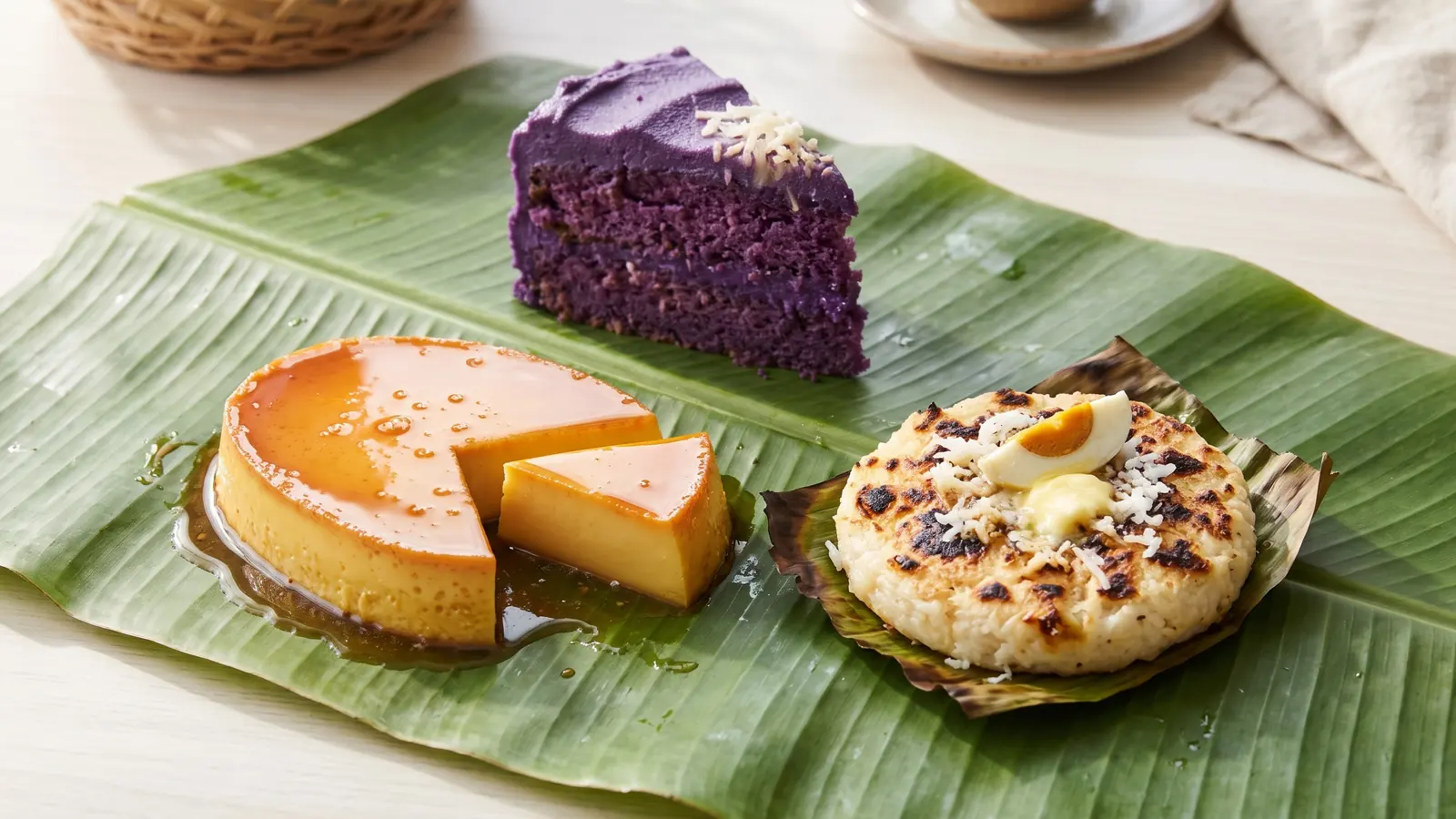
Ube has long been used in Filipino sweets such as halaya, ice cream and cakes, and bakers extended it to bread and rolls. The guide’s sources do not give a date or a single inventor for ube cheese pandesal, so any exact origin claim would be a guess. What can be said is that the roll appears in a 2024 student newspaper article about Nanding’s Bakery and that ube items are common across Filipino bakeries.
In the last several years ube has spread beyond Filipino shops into mainstream cafes, which is why searches for ube pandesal have grown. The roll suits that attention, because it is easy to recognize by color.
What does ube cheese pandesal taste like?
Ube cheese pandesal tastes mildly sweet, nutty and a little like vanilla, with a salty, milky center. The dough has the gentle sweetness of ube. The cheese adds a contrast, and the breadcrumb coating gives a light crust.
People who find ube desserts too sweet often prefer this roll, because the cheese balances the dough. The texture is soft and slightly springy, with a tender crumb that tears easily.
Plain, ube and ube cheese pandesal compared
The three rolls share a shape and differ in color, sweetness and filling.
| Plain pandesal | Ube pandesal | Ube cheese pandesal | |
|---|---|---|---|
| Color inside | Cream | Lilac to purple | Lilac to purple |
| Flavor | Lightly sweet, bready | Sweet, nutty | Sweet and salty |
| Filling | None | None or ube paste | Cheese |
| Best moment | Breakfast with coffee | Snack | Snack or light meal |
What cheese goes in ube cheese pandesal?
Ube cheese pandesal is usually filled with a mild, meltable cheese. Cheddar, processed cheese and white cheeses such as queso de bola style cheese are all used, and bakeries do not always say which. The guide’s sources do not record the cheese used at Nanding’s Bakery, so ask at the counter if the type matters to you.
A mild cheese works best because ube itself is delicate. The cheese also needs to survive baking, so bakers choose varieties that soften without turning oily or running out of the roll. A very sharp cheese would overpower the dough, while a processed or young cheese melts into a soft, salty center. Cheese cut into a small stick or cube also keeps the roll from bursting in the oven.
Ube pandesal vs ube Spanish roll vs ube bread: what is the difference?
Ube pandesal, an ube Spanish roll and ube bread all use ube, but they are shaped and filled differently. The three appear in Filipino bakeries, and Nanding’s Bakery lists each in press coverage.
| Ube pandesal | Ube Spanish roll | Ube bread | |
|---|---|---|---|
| Shape | Small round roll | Rolled log | Loaf or larger roll |
| Where the ube is | In the dough, sometimes a cheese center | Swirled into the roll | In the dough or as a filling |
| Coating | Fine breadcrumbs | Sugar and butter filling | Varies |
| Sweetness | Mild | Sweet | Mild to sweet |
If you want a savory-leaning bite, choose the pandesal with cheese. If you want something sugary, the Spanish roll is the better pick.
How do you eat ube cheese pandesal?
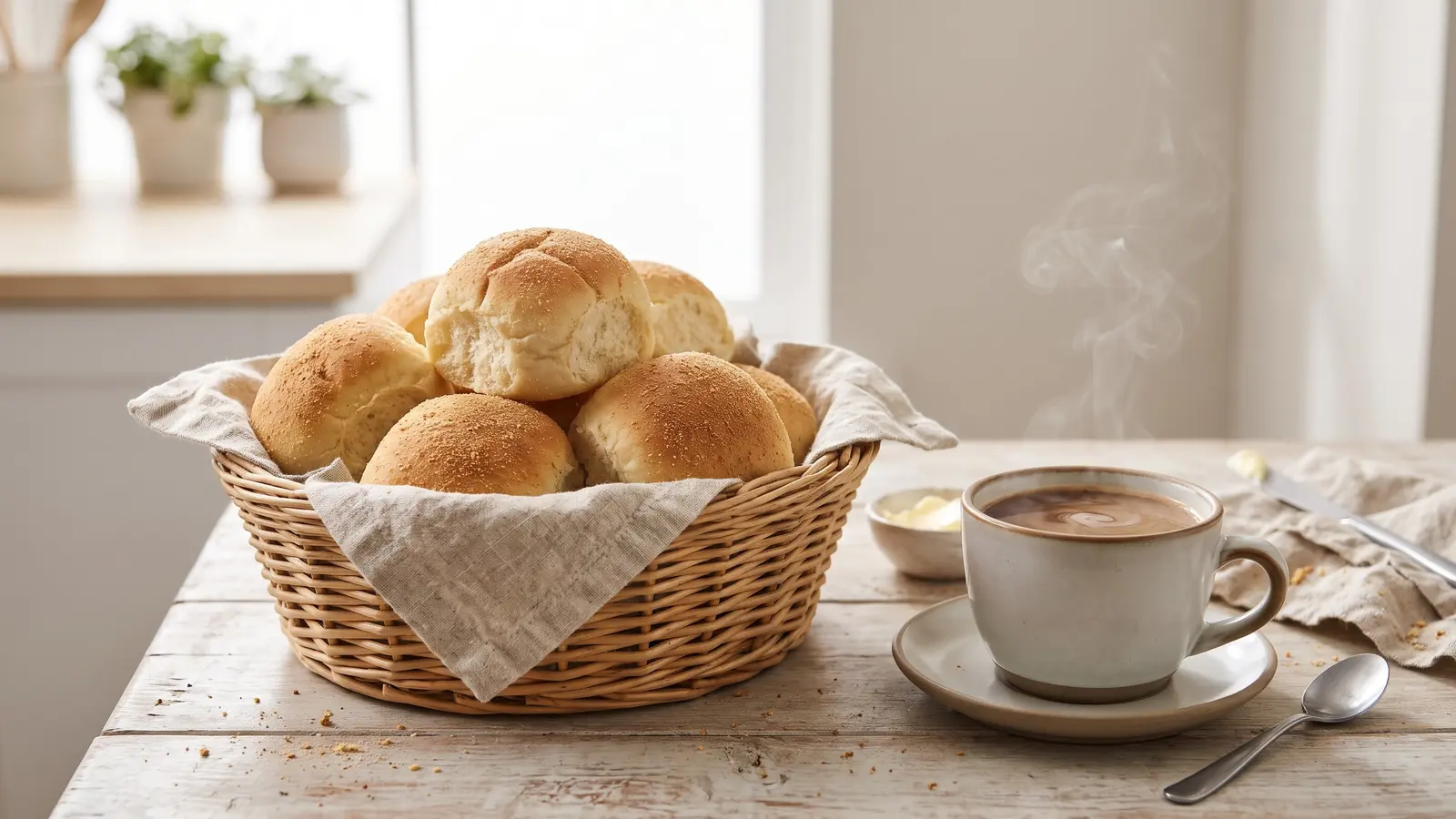
Eat it warm, by hand. If the roll has cooled, warm it for a few minutes in an oven or toaster oven at a low temperature, wrapped loosely in foil, so that the cheese softens without drying the crumb. A microwave works for a few seconds, though it can leave the crust soft.
Pairing it with coffee or a milky tea suits the sweet and salty mix. Ube pandesal can also be split and used as a small sandwich roll, though many people prefer it plain.
How is ube pandesal made?
Ube pandesal is made like pandesal, with ube mixed into an enriched dough. The steps are short.
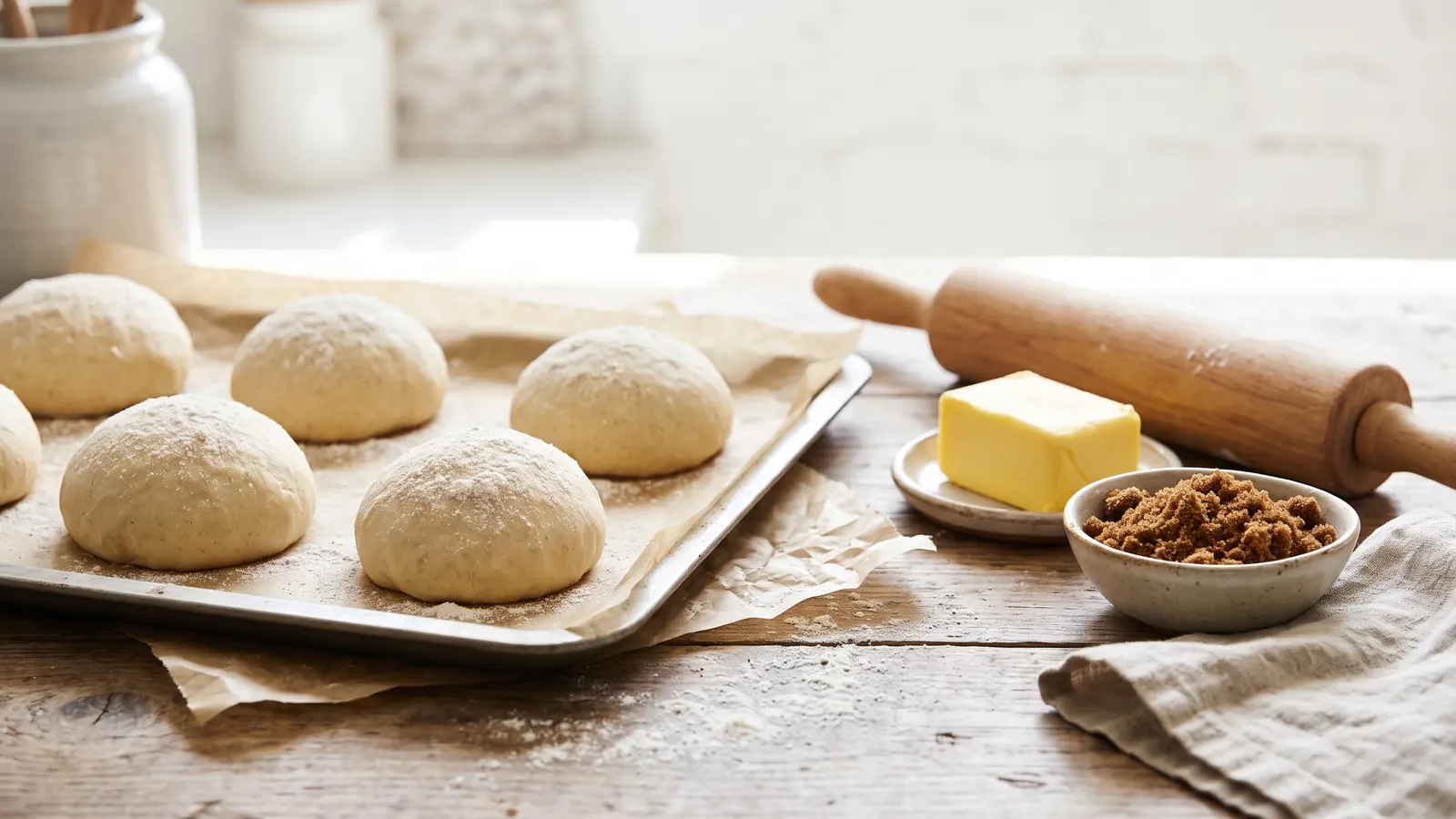
- Mix flour, sugar, yeast, milk, butter and salt with mashed ube or ube halaya, and knead until smooth.
- Let the dough rise until doubled.
- Divide into small pieces, flatten each and place a cube or stick of cheese in the center.
- Close the dough around the cheese and roll each piece in fine breadcrumbs.
- Let the rolls rise again, then bake until the crust is set.
Home bakers use ube halaya, powder or extract in the dough. Extract is strong, so a small amount goes a long way, and the color can fade slightly during baking. A bakery version made with real ube will have a softer, more muted purple than one with added coloring.
Where does ube cheese pandesal fit at Nanding’s Bakery?
The guide’s menu data lists ube cheese pandesal at Nanding’s Bakery, reported by a 2024 student article, with no price found. The menu also lists ube bread, an ube Spanish roll, an ube-filled puff pastry and bibingka made with ube from older reports. Which of these is available changes, so call the shop you plan to visit.
Plain pan de sal is the second best seller according to the Honolulu Star-Advertiser, and it was priced at 25 cents each in 2007. That is an old figure, and no current price was found.
The menu page shows the full list, and the hours and location page covers the shops. This is an independent guide, so it takes no orders.
How should you store ube pandesal?
Keep ube pandesal in a sealed bag at room temperature for a day, and freeze it for longer. Reheat from frozen in a low oven until warm. Avoid the refrigerator, which dries bread out faster. A roll that has been frozen with its cheese will have a slightly firmer center after thawing, and a short stay in the oven brings it back. Cheese rolls are best eaten the day they are bought, so freeze any you will not eat soon.
Common questions
What is ube pandesal?
A pandesal made with ube in the dough, which gives it a purple color and a mild, nutty sweetness. The roll keeps the small, soft shape and breadcrumb coating of ordinary pandesal.
Is ube pandesal sweet or savory?
Both. The dough is lightly sweet and the cheese adds salt, so it lands between a sweet roll and a savory one. Plain ube pandesal without cheese is sweeter.
Why is ube pandesal purple?
From the ube itself, and in some recipes from added ube extract or food coloring. A bakery that uses mostly real ube tends to produce a softer, more muted purple.
Does the cheese melt?
In a warm roll the cheese center softens. It sets again as the roll cools, so reheat the roll briefly in a low oven or toaster oven before eating.
Is pandesal spelled pan de sal?
Both spellings are used. Pan de sal means salt bread in Spanish and Filipino bakeries write it either way, so ube pandesal and ube pan de sal name the same roll.
Everything practical is on the home page: Nanding's Bakery hours, menu and directions.
This article is general information from an independent guide, not from Nanding's Bakery itself. For the store’s current details see hours and location.