Short answer
Manapua in Hawaii and siopao in the Philippines both descend from the Chinese steamed bun, filled with a sweet-savory filling. Siopao is usually steamed and fist-sized, while manapua may be steamed or baked.
Manapua is the Hawaii name for a filled Chinese-style bun, and siopao is its Philippine relative. Both descend from the Chinese steamed bun, filled with a sweet and savory filling. In Hawaii a manapua can be steamed or baked, while a siopao is usually steamed.
What are manapua and siopao?
Manapua and siopao are soft, filled buns that came from the Chinese baozi, steamed buns carried overseas by Chinese immigrants. Each place changed the bun to local tastes, so the two are cousins rather than copies.
Manapua is the Hawaii name, and sources describe the origin of the word in different ways. Siopao is the Philippine name, from Hokkien, and it is related to the Chinese word for bun. The Cantonese filled bun is the best-known ancestor, and it is the bun that Hawaii shops built the manapua tradition on.
Where do manapua and siopao come from?
Both buns are variations on Chinese baozi. Chinese immigrants brought the bun to Hawaii in the 1800s, and to the Philippines over a longer period, through trade and settlement. In Hawaii the bun took the name manapua, and in the Philippines it became siopao.
Food writers differ on the details, such as who first sold them in each place, so the safest description is a Chinese import that each place made its own.
Siopao vs manapua: how do they compare?
Siopao is usually a large, steamed, fist-sized bun, while manapua varies in size and may be steamed or baked. The table sets out the main differences.
| Siopao | Manapua | |
|---|---|---|
| Place | Philippines | Hawaii |
| Cooking | Usually steamed | Steamed or baked |
| Typical filling | Asado (braised chicken or beef), bola-bola (seasoned meatball) | Barbecued chicken or other fillings |
| Size | Often large, fist-sized | Varies, from small to large |
| Dough | Soft, white, slightly sweet | Soft white steamed, or golden baked |
| Sauce | Sweet-savory, sometimes with a salted egg slice | Sweet-savory sauce |
| Sold at | Bakeries, restaurants, street stalls | Take-out counters, bakeries |
What are the common fillings?
The fillings tell the two buns apart most clearly. Each shop chooses its own, and the list below describes the common ones made with chicken or beef.
- Asado: chicken or beef cooked in a sweet, soy-based sauce, shredded or cubed.
- Bola-bola: a ball of seasoned ground chicken or beef, often with a slice of salted egg.
- Barbecued chicken: red-tinged and sweet, a common manapua filling.
- Curry chicken: a spiced filling found at many Hawaii shops.
- Vegetable: cabbage and mushroom, for those who avoid meat.
- Sweet fillings: sweet bean paste, custard or ube, in some bakeries.
Because fillings differ from shop to shop, ask what is in a bun if the ingredients matter to you.
Is the bun steamed or baked?
Steamed buns have a pale, soft, smooth skin and a slight chew. Baked buns have a glossy, golden top, often brushed with egg, and a slightly firmer crumb. Siopao is generally steamed. Manapua is sold both ways, and the baked kind is also known as a baked manapua.
The dough is much the same in both cases: a soft enriched yeast dough with a little sugar. The cooking method gives the texture.
What do the words manapua and siopao mean?
The two names come from different roots and say different things. Siopao comes from Hokkien and is commonly linked to the Chinese word for a filled bun. Manapua is a Hawaii word, and explanations of where it comes from differ, with some tracing it to Hawaiian-language words and others to a Hawaii Chinese phrase. Sources do not agree, so the origin is left as disputed here.
Both names are used as the name of the food, not as a description. A Hawaii shop that sells a baked bun still calls it manapua, and a Philippine bakery that sells a steamed bun with a salted egg still calls it siopao.
How do you eat siopao and manapua?
Eat them by hand, warm. Peel off the paper circle on the base of a siopao before eating. Manapua is often sold from a take-out counter and eaten on the spot or as a quick lunch.
Reheat leftovers by steaming for a few minutes or in a microwave under a damp paper towel so that the dough does not dry out. A baked manapua reheats best in a low oven.
How do you make the dough?
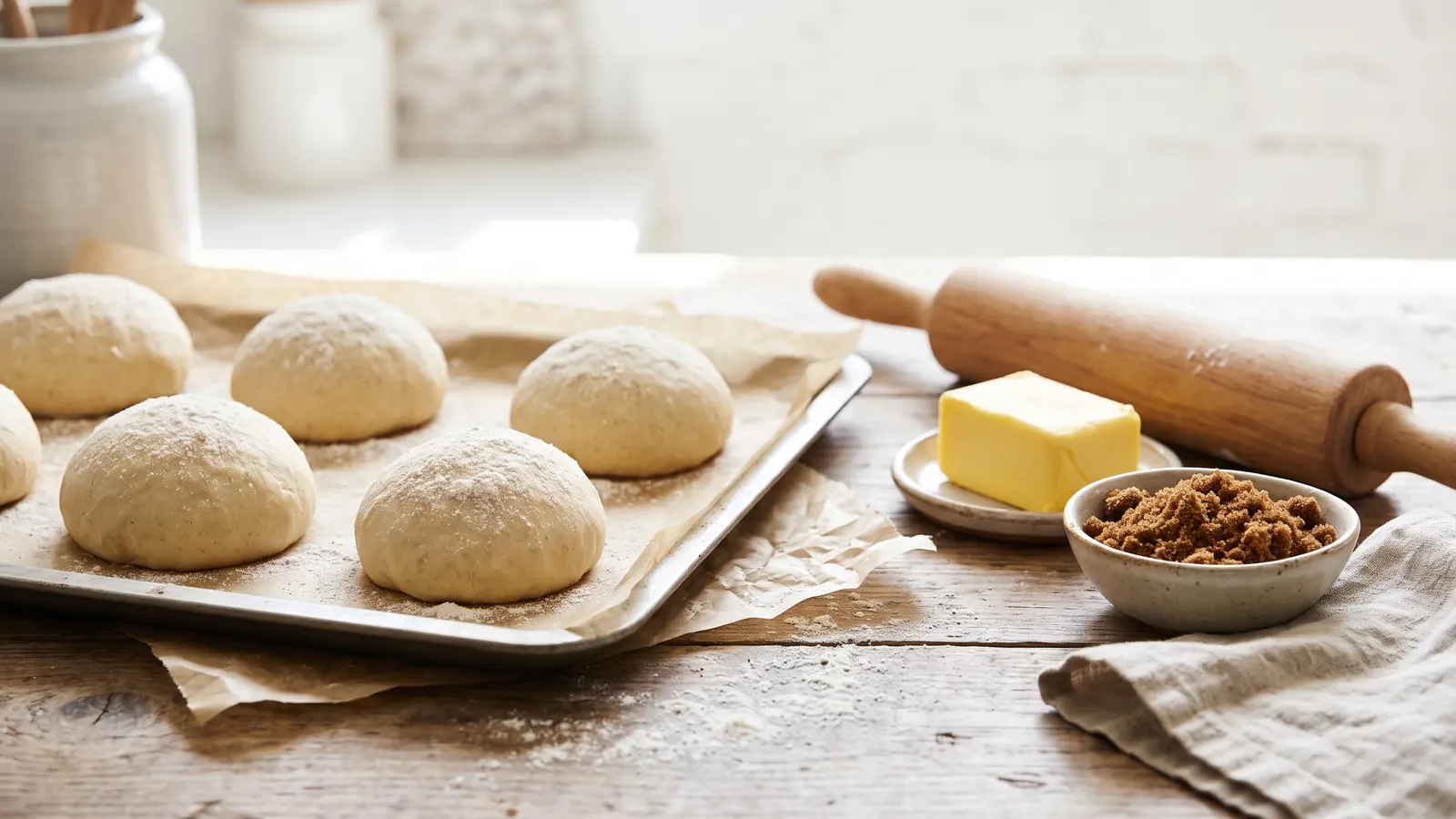
The dough for siopao and manapua is a soft yeast dough made from flour, sugar, yeast, milk or water and a little oil. The method is short, and the main care is in the rising.
- Mix and knead the dough until smooth, then let it rise until doubled.
- Divide into portions and flatten each into a round, thicker in the center.
- Place a spoon of cooled filling in the center and pleat the edges closed.
- Rest the buns briefly on squares of paper.
- Steam over boiling water for about fifteen minutes, or brush with egg and bake until golden.
Let the filling cool completely before wrapping, because a warm filling softens the dough and tears the seam.
Does Nanding’s Bakery list siopao or manapua?
Siopao is named among the items sold at Nanding’s Bakery in press reports, including a 2018 Star-Advertiser column. The guide’s menu data does not carry a siopao entry, so it cannot say which fillings are made, what they cost or whether the item is sold now. Call the shop to ask what is on hand.
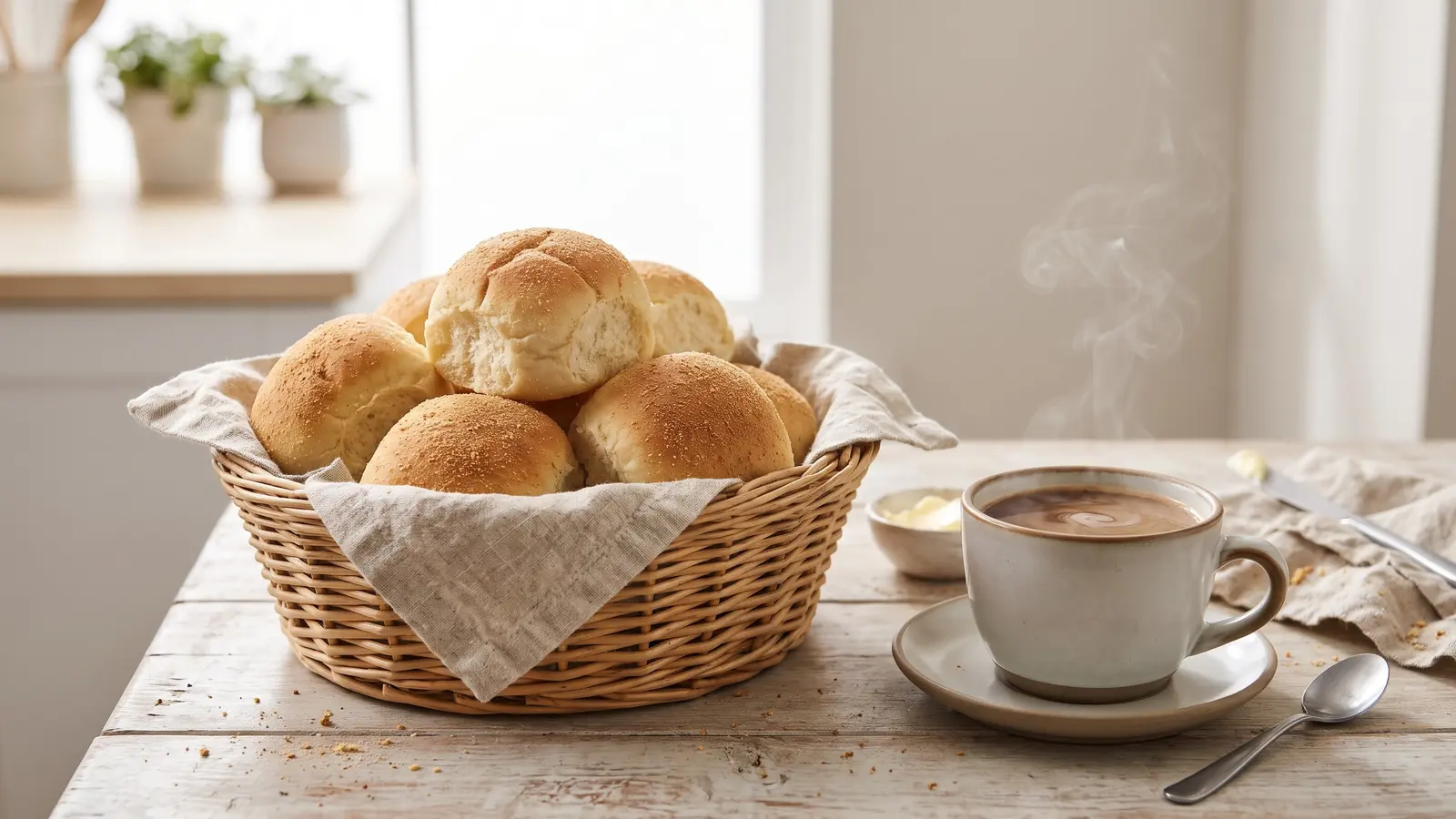
For what the guide does list, see the menu page. The bakery is better known for Spanish rolls, which are a sweet bread rather than a steamed bun. See the hours and location page before you go.
Siopao vs pan de sal vs Spanish roll: what is the difference?
Siopao is a steamed bun with a filling, while pan de sal and Spanish roll are baked breads. A Filipino bakery case often holds all three, so the comparison helps a first-time buyer.
| Siopao | Pan de sal | Spanish roll | |
|---|---|---|---|
| Cooking | Steamed | Baked | Baked |
| Filling | Savory-sweet | None | Butter and sugar |
| Crust | None, soft skin | Light crumb coating | Soft golden |
| Eaten | Lunch or snack | Breakfast | Snack |
Which should you try first?
If you want a bun with a savory-sweet filling in a soft white bread, either works. Choose chicken asado siopao for a classic Filipino flavor, or bola-bola for a heartier meal. Pick manapua when you are in a Hawaii shop that sells it, particularly the baked version if you prefer a golden crust.
If you are cooking at home, both buns use a similar enriched yeast dough, so the choice comes down to the filling and whether you want a steamer or an oven.
Common questions
What is manapua?
Manapua is Hawaii’s name for a filled Chinese-style bun. It is soft, slightly sweet and filled with a savory-sweet filling, and it is sold steamed or baked at local take-out counters.
What is siopao?
Siopao is the Philippine filled bun, from a Hokkien word related to the Chinese word for bun. It is usually steamed, with a soft white dough and a sweet and savory filling.
Is manapua the same as a Chinese steamed bun?
They are close relatives. Cantonese-style filled buns inspired manapua, and shops in Hawaii now sell several fillings beyond the classic barbecued one, in both steamed and baked forms.
What does siopao asado mean?
Asado is a sweet, soy-based braise, and siopao asado is a bun with that filling, shredded or cubed. Fillings differ by shop, and chicken and beef versions are common, so ask what is in it.
How do you reheat a steamed bun?
Steam it for a few minutes, or microwave it under a damp paper towel so the dough does not dry out. Reheating in a dry oven will toughen a steamed bun.
Before you go, check the Nanding's Bakery Honolulu guide for the current hours and the menu.
This article is general information from an independent guide, not from Nanding's Bakery itself. For the store’s current details see hours and location.