Short answer
Pan de coco is a soft Filipino bun filled with sweetened grated coconut. It is a different bread from the coconut breads of Latin America and from a butter-and-sugar Spanish roll, and it is eaten as a snack.
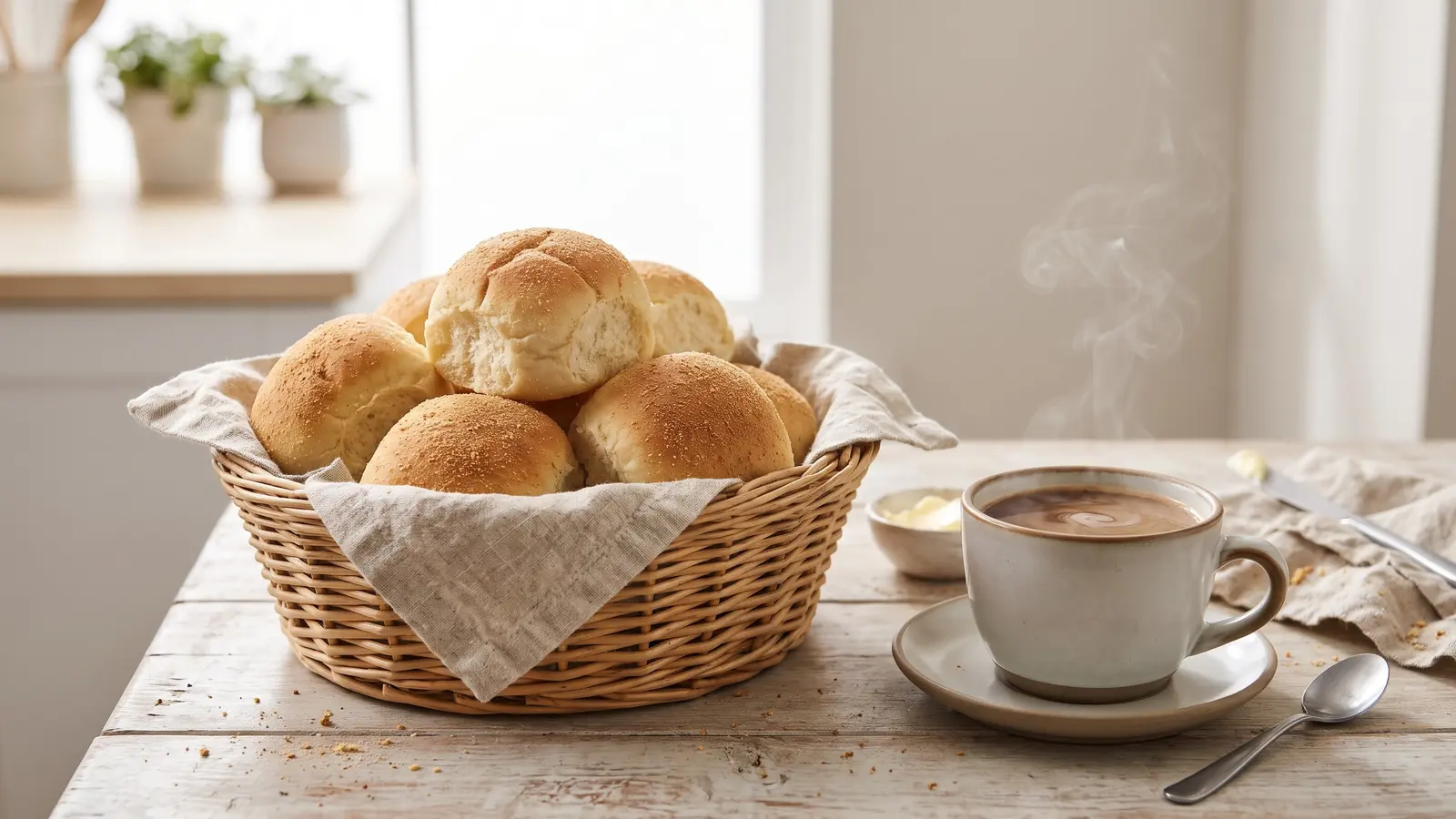
Pan de coco is a soft Filipino bun filled with sweetened grated coconut, usually baked in a round or oval shape with a glossy top. The name means coconut bread in Spanish, but the Filipino pan de coco is a sweet filled bun, not the same thing as the coconut breads of Latin America.
What is pan de coco?
Pan de coco is a bakery bun made from a soft, lightly enriched dough, similar to a dinner roll, with a sweet coconut filling inside. The filling is shredded coconut cooked with sugar until it turns moist and tacky. The result is a bread that is sweet but not as rich as ensaymada.
In the Philippines, the coconut filling is often made with fresh or frozen coconut meat, and some versions add a little butter. Bakeries sell it as a small bun for merienda, the afternoon snack. The bun is also spelled pan de coco or pandecoco in shops.
Where does pan de coco come from?
Pan de coco is a Filipino bakery bun, and its exact origin is not well documented. The Spanish name reflects the period when Spanish bread names entered the Philippines, and the coconut reflects the fact that the islands are a major coconut-growing country. Food writers differ on who first filled a bun with sweet coconut, so it is safest to call it a traditional Filipino bakery item rather than to give a date or an inventor.
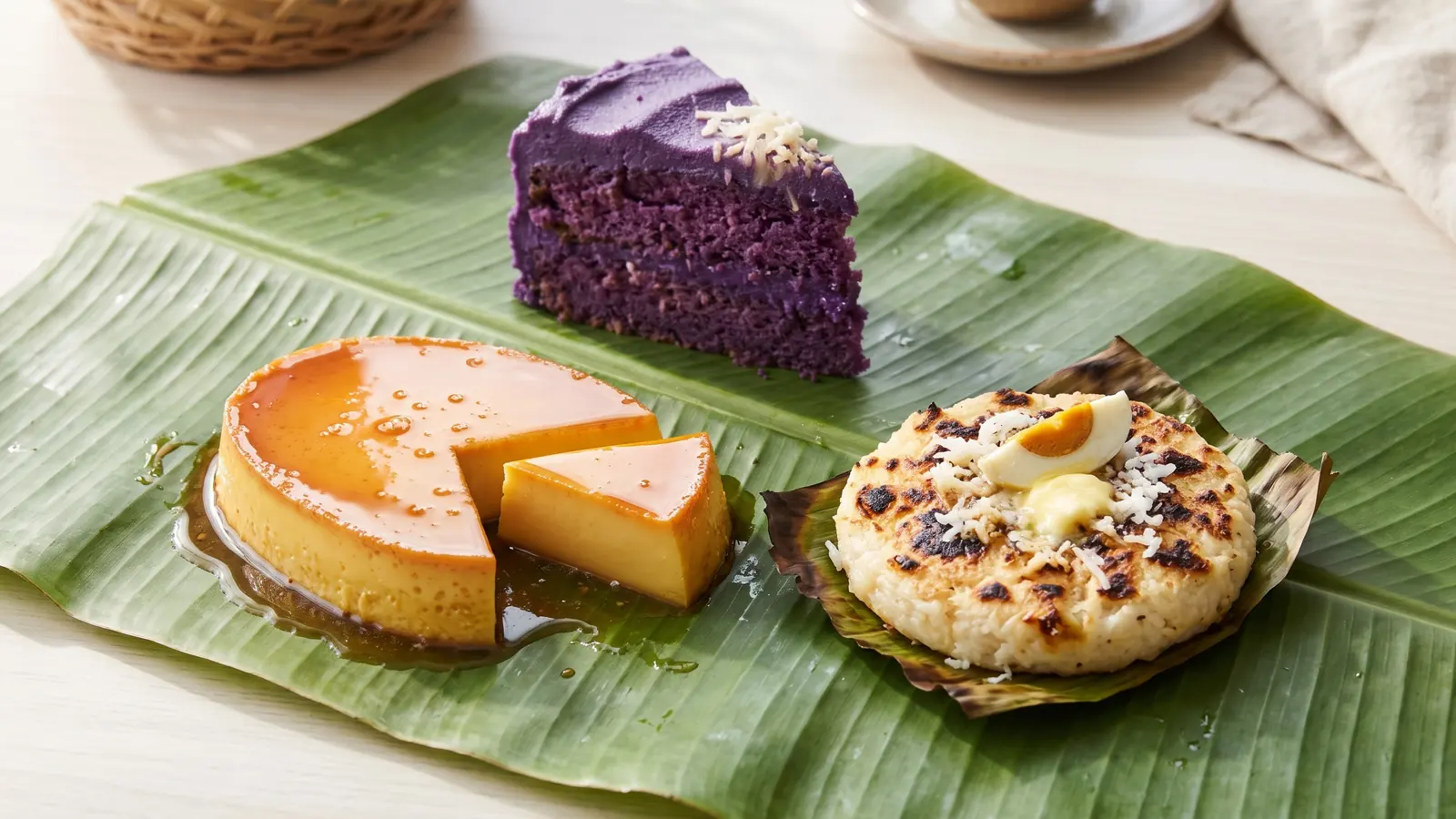
The Philippines uses coconut in many forms: the meat, the milk, the cream, the young coconut strips called buko and the soft macapuno variety. Pan de coco turns the mature meat into a filling, and the same sweetened coconut also appears in other Filipino sweets such as the toppings on cakes.
What is the coconut filling made of?
The filling for pan de coco is made from shredded coconut and sugar, cooked until it holds together. The ingredients are few, and the quality of the coconut sets the flavor.
- Coconut: fresh grated, frozen grated or sweetened flaked coconut, which is the easiest to find outside the Philippines.
- Sugar: white or brown sugar, with brown giving a caramel note.
- Liquid: a little water or coconut milk, so the filling does not dry out.
- Fat: optional butter, for a smoother finish.
Cook the filling until most of the liquid has gone and the shreds stick together, then cool it fully. A warm filling softens the dough and makes the buns hard to seal.
What does pan de coco taste like?
Pan de coco tastes of toasted bread and sweet coconut. The filling is chewy and moist, with a mild caramel note from the sugar. The bun itself is plain so that the coconut stands out.
It is good warm, though it also tastes fine at room temperature. The crumb is soft and a little springy, and the top is often brushed with egg or milk for a glossy finish.
Pan de coco vs Latin American coconut bread
The shared name can confuse readers who search for recipes. Several Latin American and Caribbean traditions have a bread called pan de coco, and these are not the same product.
| Filipino pan de coco | Coconut breads of Latin America | |
|---|---|---|
| Coconut | Sweet shredded coconut filling | Coconut milk or grated coconut in the dough |
| Shape | Small filled bun | Loaf or round roll |
| Flavor | Sweet | Mild, lightly sweet or plain |
| Eaten | As a snack | Often with a meal |
When you follow a recipe, check where it comes from so that the filling and dough match what you expect. A recipe that lists coconut milk in the dough and no filling is almost certainly not the Filipino bun.
How is pan de coco different from Spanish bread?
Spanish bread is a rolled bread with a butter, sugar and breadcrumb filling, while pan de coco is a round bun with a coconut filling. Both are soft and sweet. Spanish bread is flakier and richer in butter, and pan de coco is chewier because of the coconut.
Ensaymada is a third option: a coiled, buttery bread topped with sugar and cheese. Hopia is a fourth, a thin shell around mung bean paste. A bakery case that carries pan de coco usually carries several of these.
How is pan de coco made?
Pan de coco is made by wrapping a coconut filling in a soft yeast dough and baking the buns until golden. The method is straightforward.
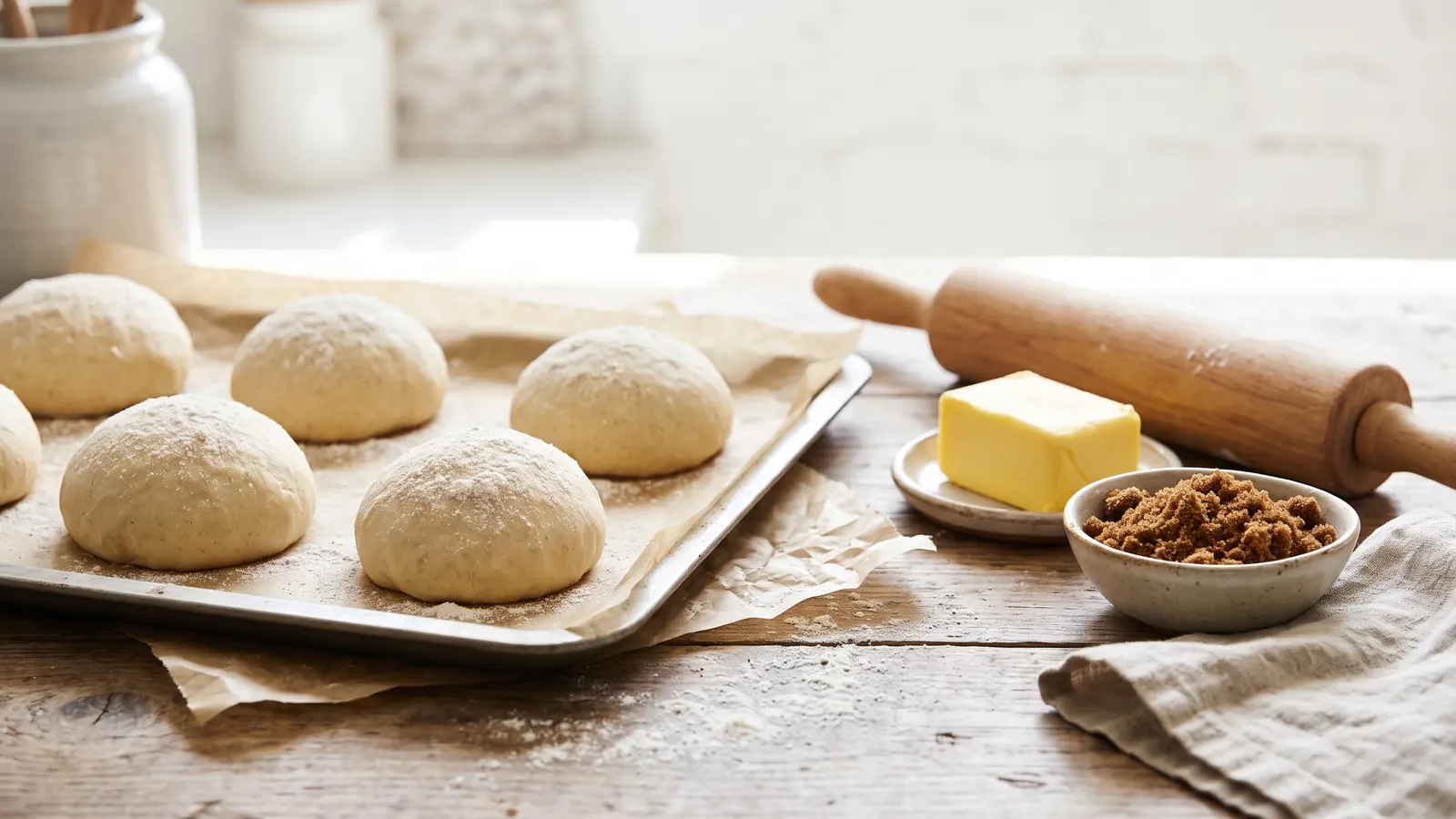
- Make a soft dough with flour, yeast, milk, sugar and butter, and let it rise.
- Cook shredded coconut with sugar and a splash of water until it holds together, then cool it.
- Divide the dough, wrap a spoon of filling in each piece and seal the seam.
- Let the buns rise again, brush with egg or milk and bake until golden.
A thin filling is easier to seal, so avoid overstuffing. Place the buns seam side down so they keep their shape as they rise.
Brush the tops with egg wash or milk for a glossy finish, and bake at a moderate heat so the filling does not scorch. A bun that is baked too long dries out, and the coconut filling turns hard at the edges. Let the buns rest on a rack for a few minutes before serving, since the filling stays very hot.
What are the common variations?
Pan de coco has few variations, and most differ in the filling or the topping. The usual ones include:
- Sweetened coconut only: the classic filling, chewy and moist.
- Coconut with a sprinkle of sugar on top: adds a light crunch on the crust.
- Macapuno filling: the soft, jelly-like coconut used in Filipino sweets, sometimes mixed into the filling for a smoother texture.
- Cheese or butter on top: some shops add a slice of cheese or a smear of butter.
Where does coconut appear in Nanding’s Bakery data?
The guide’s menu data does not list pan de coco at Nanding’s Bakery. The only coconut mention in the data is that the bakery’s ensaymada came in coconut, ube and sweet potato flavors in 2015, according to press coverage. Whether any coconut item is available now is not known, so call the shop you plan to use.
The bakery’s best seller is the Spanish roll, and pan de sal is second. For what is on record, see the menu page, and for shop details see the hours and location page.
How should you store pan de coco?
Store the buns in a sealed bag at room temperature for a day, or freeze them, as with other soft breads. Warm a frozen bun in a low oven, wrapped loosely in foil, so that the filling softens and the crumb stays tender.
Avoid the refrigerator, which dries bread out faster. The coconut filling is sweet and fairly dry, so it keeps well, though the bun is best the day it is baked.
Common questions
What does pan de coco mean?
Pan de coco means coconut bread in Spanish. The Filipino pan de coco is a sweet bun with a coconut filling, while the same name in other countries can describe a different coconut bread.
What is the filling in pan de coco?
Shredded coconut cooked with sugar until moist and tacky. Some cooks add a little butter, and fresh or frozen coconut meat is common in the Philippines.
Is pan de coco the same as Spanish bread?
No. Spanish bread is a rolled bread with a butter, sugar and breadcrumb filling, while pan de coco is a round bun with a coconut filling. Both are soft and sweet.
How do you keep pan de coco soft?
Store the buns in a sealed bag at room temperature for a day, and freeze them for longer. Warm them briefly in a low oven before eating to bring back the soft crumb.
Can you make pan de coco without fresh coconut?
Yes. Unsweetened shredded or desiccated coconut works, and so does frozen grated coconut. Cook it with sugar and a little water until it holds together, then cool it before filling the dough.
Before you go, check the Nanding's Bakery Honolulu guide for the current hours and the menu.
This article is general information from an independent guide, not from Nanding's Bakery itself. For the store’s current details see hours and location.