Short answer
A malasada is a round, egg-rich doughnut without a hole, fried and rolled in sugar. Portuguese immigrants brought it to Hawaii, and it is now a local favorite often sold with fillings such as custard or haupia.
A malasada is a soft, egg-rich doughnut of Portuguese origin, fried and rolled in sugar, and it has no hole. In Hawaii it is a favorite, thanks to the Portuguese immigrants who arrived to work on the sugar plantations. Malasadas are best eaten fresh and warm, within minutes of coming out of the oil.
What is a malasada?
A malasada is a yeasted, enriched dough that is fried until golden and tossed in granulated sugar. The word means badly cooked in Portuguese, a joke on a fried dough that puffs and bubbles in the pan. The dough contains eggs, butter and milk, and it is cut or pulled into rounds before frying. The inside is airy and tender, and the outside has a thin crisp skin.
The pastry is also spelled malassada in Portuguese. It belongs to the family of fried doughs found across Europe and the Americas, and it is not the same as the Portuguese filhos or the Spanish buñuelo.
How did malasadas come to Hawaii?
Portuguese immigrants, many from Madeira and the Azores, came to Hawaii in the late 1800s to work in sugar cane fields. They brought the recipe, and the fried dough became a local treat. In Portugal and in Hawaii the malasada is linked to the day before Lent, when households fried dough to use up butter and sugar. In Hawaii that day is Malasada Day, observed on Fat Tuesday in many bakeries.
Local bakeries now sell malasadas daily, and different shops have their own versions. Food writers differ on which bakery first sold them commercially, so no single date or shop should be taken as settled.
Malasada vs doughnut: what is the difference?
A malasada is richer and lighter than a typical doughnut, and it has no hole. The comparison below shows the main differences.
| Malasada | American doughnut | |
|---|---|---|
| Shape | Round or oval, no hole | Ring, or filled round |
| Dough | Rich with eggs, butter and milk | Leaner, often a cake or yeast dough |
| Coating | Granulated sugar | Glaze, frosting or powdered sugar |
| Texture | Light, tender, slightly chewy | Cakey or fluffy |
| Eaten | Fresh and warm | Fresh, but keeps longer |
| Origin | Portugal, popular in Hawaii | United States |
What fillings are common in Hawaii?
Plain sugar is the classic, though fillings are widespread. The usual ones are listed below.
- Custard: a vanilla custard, often called cream filling.
- Chocolate: a smooth chocolate pudding style filling.
- Haupia: coconut pudding, a Hawaiian dessert.
- Local fruit: guava, mango, passion fruit or other tropical flavors.
- Seasonal fillings: flavors that rotate through the year at some shops.
A filled malasada is often injected after frying, so the center stays creamy. Some shops also sell malasadas rolled in cinnamon sugar or other coatings.
How is a malasada made?
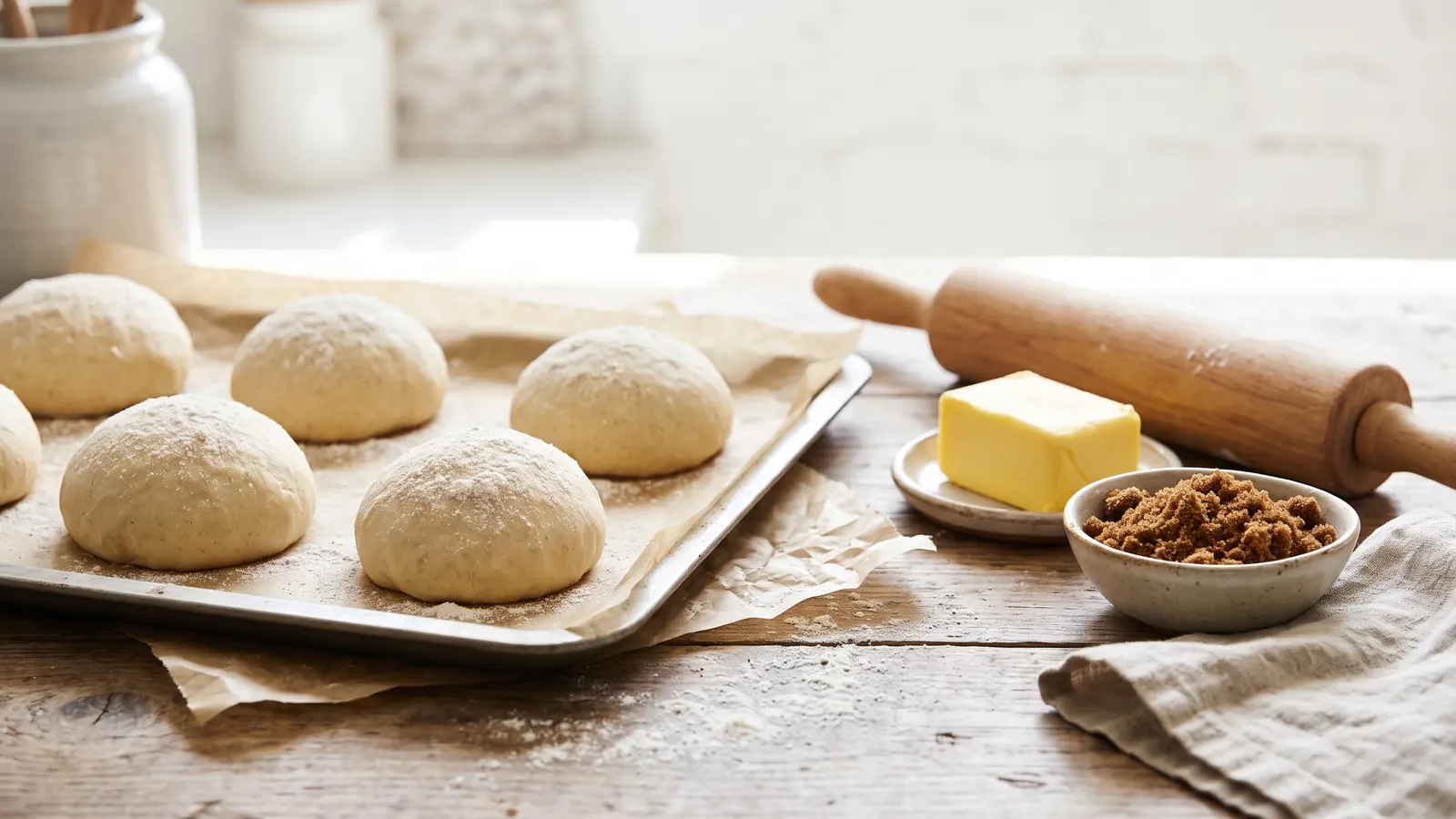
A malasada is made from a simple enriched dough that rises once and fries in oil. The method is short, but it needs care with the heat.
- Mix flour, sugar, yeast, eggs, milk and melted butter into a soft dough and knead until smooth.
- Let the dough rise until doubled, then roll or pat it out.
- Cut it into rounds, or tear off small pieces, and let them rest briefly.
- Fry in oil at a steady moderate heat, turning once, until golden on both sides.
- Drain on paper and roll in sugar while still warm.
Too hot, and the outside browns before the center cooks. Too cool, and the dough soaks up oil. Use a thermometer and fry a few at a time. Crowding the pot drops the oil temperature, and the dough then absorbs oil. Fry in small batches and let the oil return to heat between them. Oil is hot enough to cause serious burns, so keep the pot steady and the handles turned inward.
What does a malasada taste like?
A malasada tastes of warm, buttery dough with a crisp sugary shell. The crumb is airy and slightly chewy, and the egg and butter give a rounded richness. The sugar adds a light crunch that melts as you eat.
A filled malasada adds a second flavor in the center, such as a cool custard or a sweet coconut pudding. Because the dough itself is mild, the filling sets the tone. A plain, freshly fried malasada is the best way to judge a shop, since the dough has nothing to hide behind.
Malasada vs beignet vs zeppole: what is the difference?
Malasadas have relatives in other fried doughs. The three below are often confused, because all are fried, soft and dusted with sugar.
| Malasada | Beignet | Zeppole | |
|---|---|---|---|
| Origin | Portugal | France, New Orleans | Italy |
| Dough | Yeast, rich with eggs and butter | Yeast or choux, square pieces | Yeast or choux, round |
| Shape | Round or oval | Square pillow | Round ball or ring |
| Coating | Granulated sugar | Powdered sugar | Powdered or granulated sugar |
The malasada differs most in its sugar coating and its round, hole-free shape.
How are malasadas eaten?
Malasadas are eaten by hand, straight from the bag. Eat them the same day, preferably within a couple of hours. Sugar on the outside will melt slightly and cling to your fingers.
Reheating is possible for a few seconds in a toaster oven, though a day-old malasada is never quite the same as a fresh one. Keep any leftovers in a loose paper bag rather than a sealed container, which makes the sugar damp. If you are carrying malasadas home, a paper bag also lets steam escape, so the coating stays crisp for a little longer.
Are malasadas on the Nanding’s Bakery menu?
The guide’s menu data does not list malasadas at Nanding’s Bakery. The bakery is known for Spanish rolls, and its other listed items include pan de sal, ensaymada and hopia. If you want a malasada, check a shop that specializes in them, and use this bakery for Filipino breads and pastries.
For what is on record at Nanding’s, see the menu page. Hours and addresses are on the hours and location page. Because the data may be incomplete, ask at the counter if you want to know whether something is made.
How is a malasada different from other Filipino sweets?
A malasada is fried and sugar coated, while the Filipino sweets in this guide are mostly baked or steamed. Ensaymada is baked and coiled, with whipped butter and sugar on top, while hopia is baked with a dense filling. Both are richer to the eye and denser than a malasada.
Fried Filipino sweets exist too, such as turon, a banana roll fried in a spring roll wrapper. The Portuguese malasada and the Filipino ensaymada share a tradition of rich, egg-and-butter doughs that came to Asia and the Pacific through Spanish and Portuguese trade.
Common questions
What does malasada mean?
Malasada comes from a Portuguese phrase meaning badly cooked, a joke about a fried dough that puffs and bubbles in the pan. The name is a nickname that stuck, not a description of the quality.
Is a malasada the same as a doughnut?
Not quite. A malasada has no hole, a richer dough made with eggs, butter and milk, and a coating of granulated sugar. It is lighter and more tender than most American doughnuts.
What are common malasada fillings in Hawaii?
Custard, chocolate, haupia (coconut pudding) and local fruit flavors such as guava or mango are common. Fillings are usually injected after frying, so the center stays creamy.
Can you reheat a malasada?
A few seconds in a toaster oven help, though a day-old malasada is never quite like a fresh one. Malasadas are best eaten warm within a couple of hours of frying.
Does Nanding's Bakery sell malasadas?
The guide’s menu data does not list malasadas at Nanding’s Bakery. Ask at the counter if you want to know whether one is made on a given day.
Looking for the basics? Nanding's Bakery address and opening hours are on the home page.
This article is general information from an independent guide, not from Nanding's Bakery itself. For the store’s current details see hours and location.