Short answer
Hopia is a small, flat Filipino pastry filled with a sweet paste, most often mung bean (monggo). It is a Chinese-Filipino pastry that has become a standard item in Filipino bakeries, sold with a flaky or a soft, cakey shell.
Hopia is a small, round or flat Filipino pastry with a sweet filling, most often mung bean paste. The Filipino version grew out of a Chinese pastry brought by immigrants, and it is now a standard item in a Filipino bakery. The pastry is eaten as a snack and is often bought in boxes to share.
What is hopia?
Hopia is a filled pastry with a thin shell and a dense, sweet center. The shell can be flaky and layered, with a texture close to puff pastry, or it can be soft and a little cakey. Both styles are sold, and which one you get depends on the bakery.
The pieces are usually small and flat, sized to eat in a few bites. The word is also spelled hopia, hopia mongo or hopia monggo in shops, and the pastry is sometimes called pan de hopia in older price lists.
Where does hopia come from?
Hopia is usually traced to Chinese immigrants in the Philippines, particularly Hokkien speakers from Fujian province. The word is commonly explained as coming from a Hokkien phrase meaning good pastry. Food writers differ on the details, so it is safest to describe it as a Chinese-Filipino pastry rather than to pin down an exact date or place.
The tradition also lives beyond the Philippines. Pastries with a sweet bean filling and a flaky shell appear in several Chinese baking traditions, which is part of why Filipino bakers treat hopia as a close cousin of those pastries.
What are the main kinds of hopia?
The kinds of hopia are named for the filling, and the shell may be flaky or soft in any of them.
| Type | Filling | Taste |
|---|---|---|
| Hopia mongo (monggo) | Sweetened mung bean paste | Mild, earthy, gently sweet |
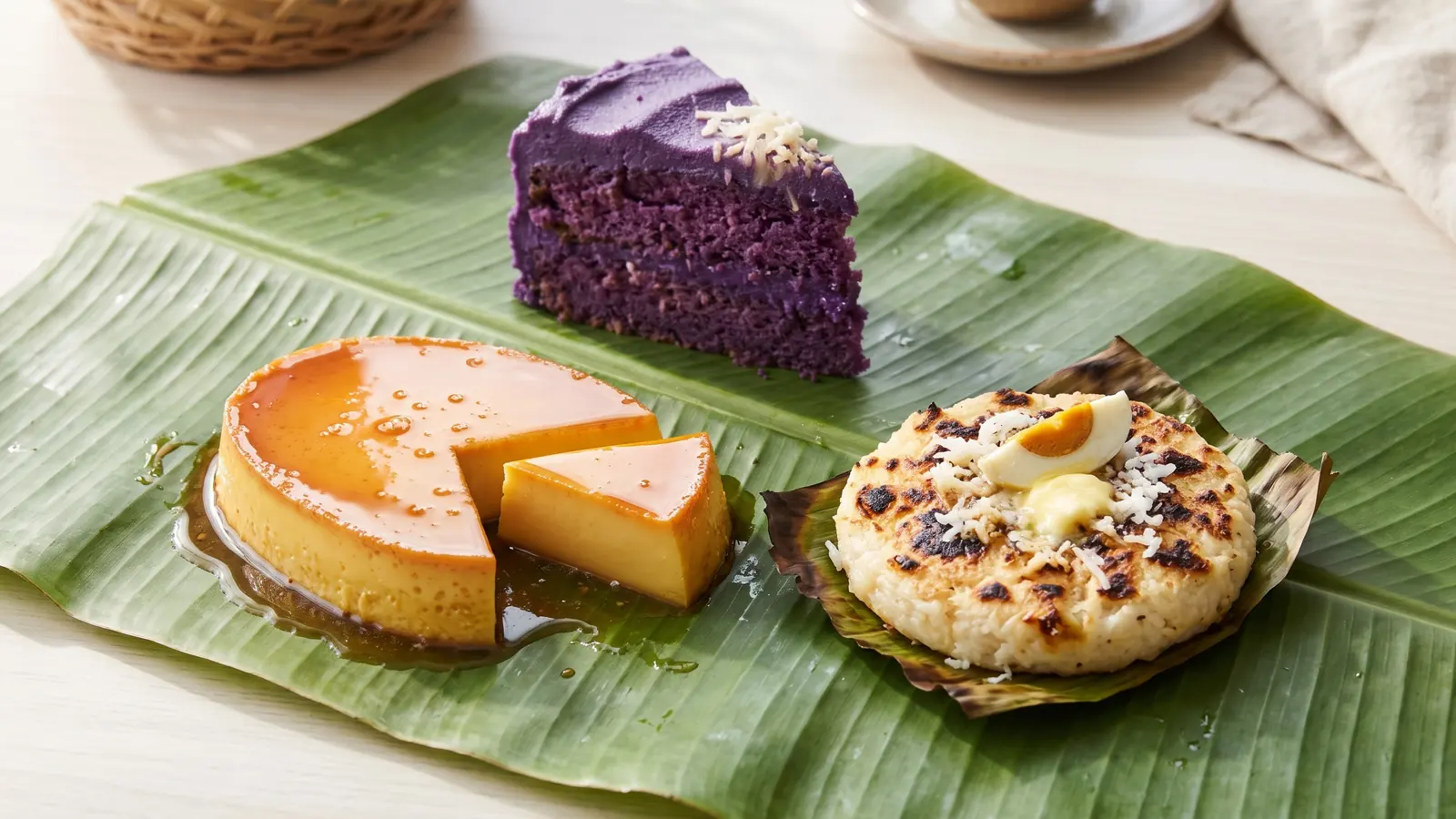
| Hopia ube | Ube (purple yam) paste | Sweet, nutty, vanilla-like |
| Hopia with other fillings | Custard, pineapple or other sweet pastes | Varies by bakery |
Hopia mongo is the version most people mean when they say hopia without a qualifier. Ube hopia is the usual second choice, with a purple filling that is sweeter and more floral. Sweet fillings vary by bakery, so a flavor you see in one shop may not exist in another.
Hopia is usually sold in boxes or in small packs, and a mixed box with two or three fillings is a common way to try the range. Flavors can change with the season, so the box you buy in one month may not match the next.
What does hopia taste like?
Hopia tastes mild and gently sweet. A mung bean filling is earthy, with a sweetness closer to a red bean bun than to candy. The shell adds buttery notes and, in the flaky style, a light crunch. Ube hopia is sweeter and more floral.
Because the filling is dense, one piece is satisfying. Many people pair it with unsweetened tea or coffee so the sweetness does not stack up. A flaky hopia fresh from the oven is the best way to taste the shell, because the layers soften as the pastry sits. Both the dough and the filling are rich in their own way, so a single piece is often enough as a snack.
How is hopia made?
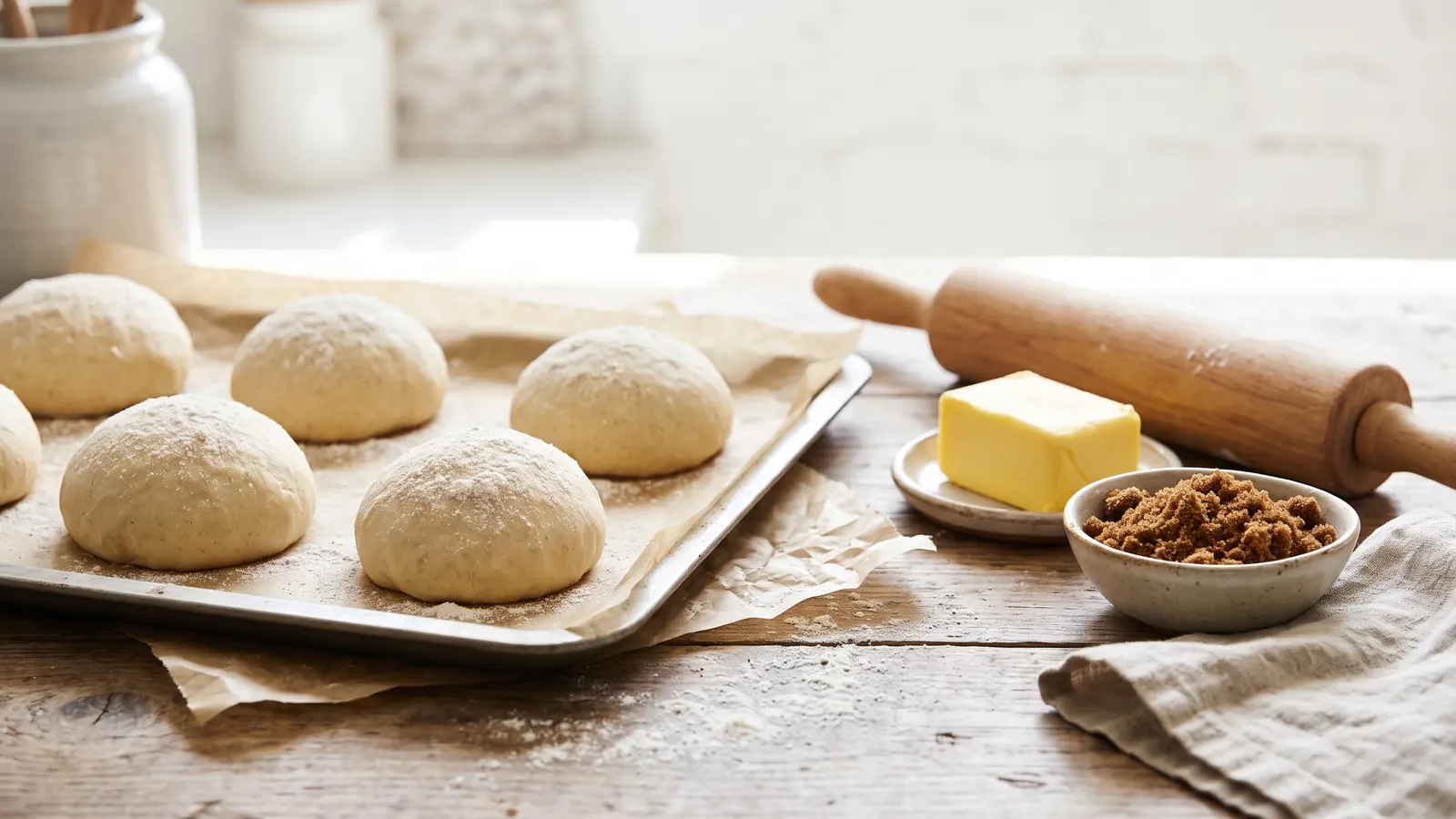
Hopia is made by wrapping a ball of sweet paste in dough, flattening it and baking it. The dough is the main difference between the two styles.
- Flaky hopia: a laminated dough is made by folding fat into the dough in layers, like a simple puff pastry. The result is crisp layers that shatter.
- Soft hopia: a tender dough without layers, closer to a cookie or cake crust.
- Filling: mung beans are cooked until soft, mashed, then cooked with sugar and a little fat until thick.
- Shaping: the dough is wrapped around the filling, the seam sealed and the ball pressed flat.
- Baking: the pastries bake until pale gold, and some are brushed with egg for shine.
At home, the paste can be made ahead and refrigerated for a few days. The same mung bean filling is used in mongo loaf, a soft bread.
How do you eat hopia?
Eat hopia by hand at room temperature. Many people pair it with hot tea or coffee for merienda, the Filipino afternoon snack. A warm piece, briefly heated in an oven or toaster oven, has a crisper shell, though it is not required.
Store leftovers in a sealed container. Freeze them if you will not finish the box within a few days, and warm them in a low oven rather than a microwave, which softens the shell.
Hopia vs mooncake vs Spanish roll: what is the difference?
Hopia is smaller and thinner than a mooncake, and it is a different kind of pastry from a Spanish roll. The comparison helps when you are choosing something from a bakery case.
| Hopia | Mooncake | Spanish roll | |
|---|---|---|---|
| Shell | Thin, flaky or soft | Thin, tender, often molded | Soft bread |
| Filling | Mung bean, ube | Lotus seed, red bean, others | Butter and sugar |
| Size | Small, flat | Larger and thicker | Small rolled log |
| Eaten | Year round | Mid-Autumn Festival | Year round |
| Texture | Dense center, light shell | Dense and rich | Soft and tender |
Hopia is also denser and less airy than ensaymada, which is a coiled, buttery bread topped with sugar. If you want something sweet but not very rich, hopia mongo is a quiet, steady choice.
Where does hopia appear at Nanding’s Bakery?
The guide’s menu data lists hopia mongo among the pastries at Nanding’s Bakery. The only price on record is $2.60 in 2018, and a pan de hopia was 70 cents in 2007. No current price was found, so ask at the counter. Hopia is one of several mung bean items in press coverage, and a mongo loaf is listed in the same data, though its current availability is unknown.
The bakery’s best seller is the Spanish roll and pan de sal is second, so hopia is part of the wider range rather than the headline item. The rest of the list is on the menu page. Because the bakery publishes no price list, phone the shop to confirm what is on the shelf. Hours and addresses for the three shops are on the hours and location page.
Can you freeze hopia?
Yes. Hopia freezes well because the filling is dense and low in moisture.
- Cool the pastries completely.
- Wrap them in a freezer bag, with as little air as possible.
- Freeze for up to a month or two for the best flavor.
- Warm from frozen in a low oven until the shell is crisp again.
A box bought for a gathering can be split this way, so the rest stays fresh.
Common questions
What is hopia filled with?
The classic filling is sweetened mung bean paste, called hopia mongo or monggo. Ube is the usual second choice, and other sweet fillings such as custard or pineapple are sold at some bakeries.
Is hopia Chinese or Filipino?
Both. It came to the Philippines with Chinese immigrants, particularly Hokkien speakers, and became a Filipino bakery staple. Food writers differ on exact details, so it is best called a Chinese-Filipino pastry.
How do you eat hopia?
By hand, at room temperature, usually as a snack with tea or coffee for merienda. A short warm-up in a toaster oven crisps a flaky shell, though it is not required.
How long does hopia keep?
In a sealed container, hopia keeps for a few days at room temperature. Freeze it if you will not finish the box in that time, and warm it in an oven before eating.
What is the difference between hopia and mooncake?
Both are Chinese-influenced filled pastries with a dense paste center. Hopia is usually smaller, flatter and eaten year round, while mooncakes are larger, richer and tied to the Mid-Autumn Festival.
Before you go, check the Nanding's Bakery Honolulu guide for the current hours and the menu.
This article is general information from an independent guide, not from Nanding's Bakery itself. For the store’s current details see hours and location.