Short answer
Bread flour has more protein than all-purpose flour, so it builds more gluten and bakes a chewier, taller loaf. For soft, enriched rolls either works, and the two can usually be swapped one for one.
Bread flour is a wheat flour with a higher protein content than all-purpose flour, which means it forms more gluten, holds more water and bakes a chewier, taller loaf. All-purpose flour has moderate protein and is made for a wide range of recipes, from cookies to bread. For soft, enriched rolls such as pandesal or Spanish bread, either flour can work, and the main difference is the texture: bread flour gives a little more chew, and all-purpose gives a slightly more tender crumb. This guide explains the differences, how to choose, how to swap one for the other, and what the sources say about flour at Nanding’s Bakery in Honolulu.
What is the difference between bread flour and all-purpose flour?
The main difference is protein. Bread flour has more of it, so it develops more gluten, the stretchy network that gives bread its structure. All-purpose flour has less, so it gives a softer, more tender result in many recipes.
Commonly printed labels show bread flour with a protein content of roughly 12 to 14 percent and all-purpose flour with roughly 10 to 12 percent in the United States, but these ranges are approximate and vary by brand and region. Some all-purpose flours are stronger than others, so the label is the most reliable guide.
Both flours are made from wheat, both are usually white flour with the bran and germ removed, and both are sold bleached or unbleached. The difference is in the wheat variety and the milling, not in the basic ingredient.
What does protein do in bread?
Protein in flour combines with water to form gluten. Kneading develops the gluten into a stretchy network that traps gas from the yeast, so the dough rises and holds its shape.
More gluten usually means more chew and more height. Less gluten usually means a softer, more tender crumb. A lean bread such as a baguette benefits from strong gluten, while a cake benefits from weak gluten.
Other ingredients also matter. Fat, sugar, milk and eggs soften the crumb and interfere with gluten formation, which is why an enriched dough can stay tender even with a high-protein flour.
Which flour is better for soft rolls?
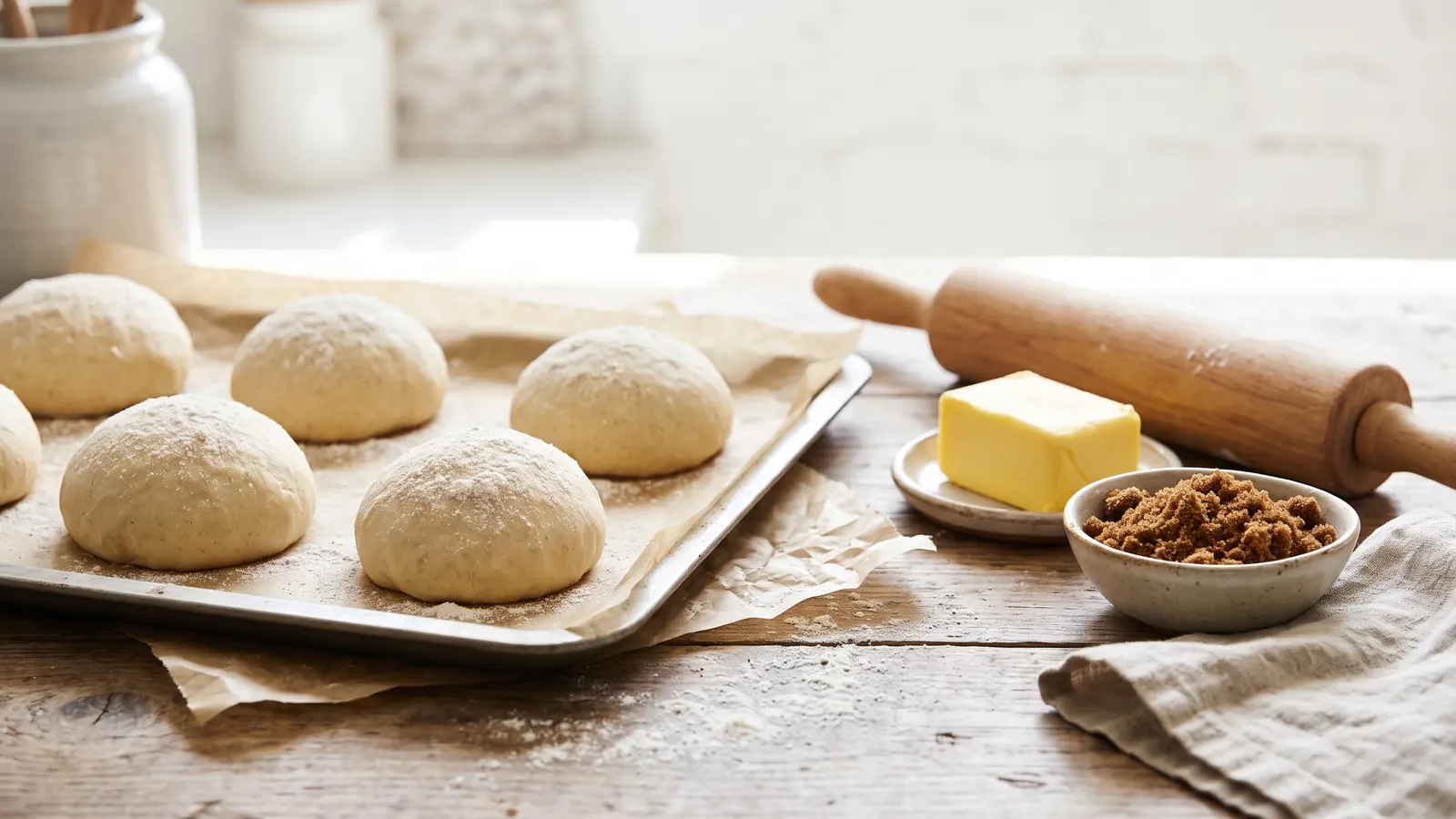
For soft, enriched rolls, either flour works, and the choice is a matter of preference. Bread flour gives a slightly chewier, taller roll with more structure. All-purpose flour gives a slightly softer, more tender one.
| Factor | Bread flour | All-purpose flour |
|---|---|---|
| Protein | Higher | Moderate |
| Gluten | More | Less |
| Texture | Chewier, springy | Softer, more tender |
| Rise | Taller | Slightly lower |
| Liquid absorbed | More | Less |
| Best for | Chewy breads, pizza, bagels | Cakes, cookies, soft rolls, general use |
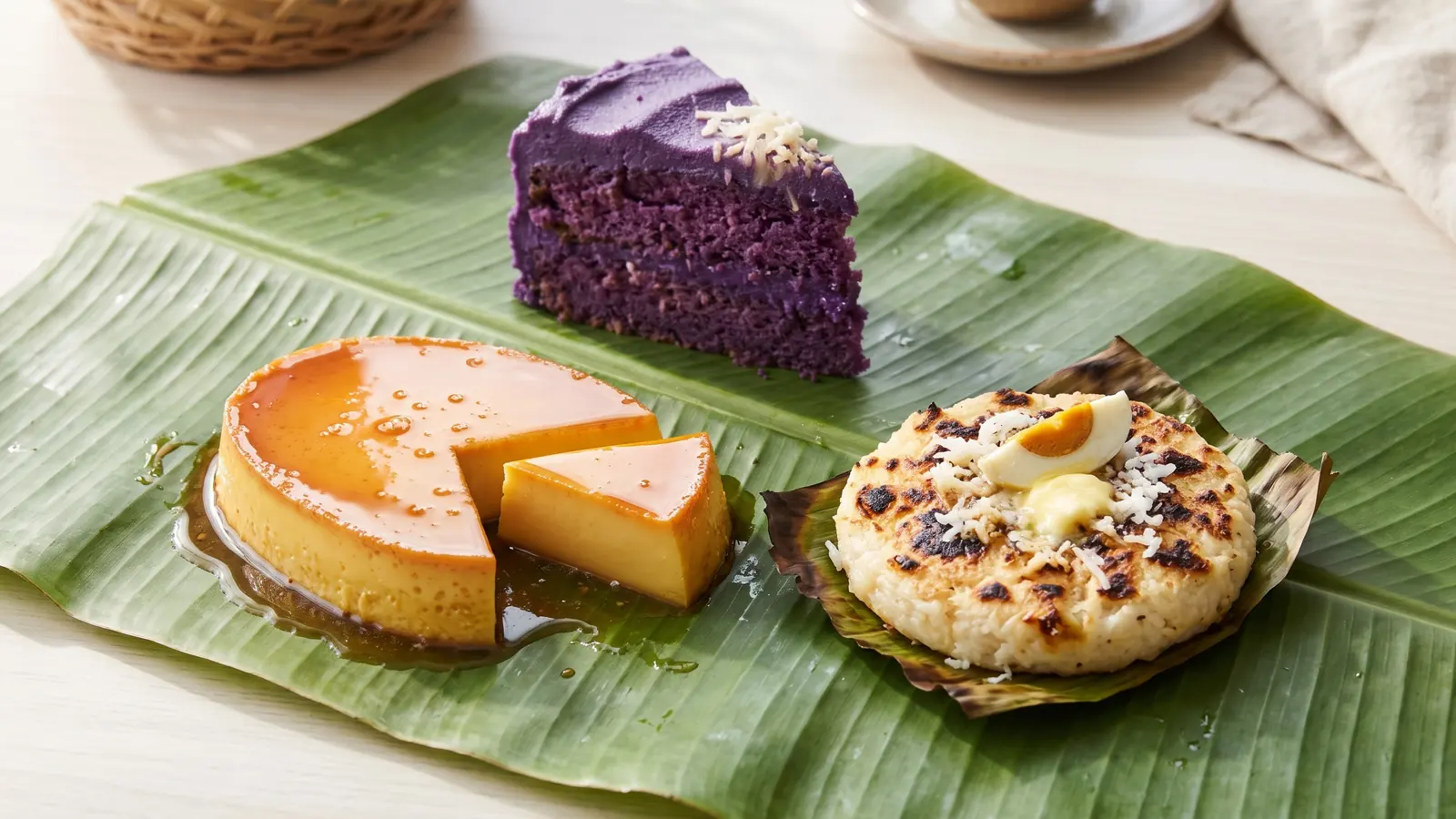
Filipino breads such as pandesal, Spanish bread and ensaymada are enriched with sugar, milk and fat, so they are soft by design. Home bakers often use bread flour for a bit more structure, particularly for breads that are shaped or filled, and all-purpose flour for a more tender crumb. Neither is wrong.
Can you substitute one flour for the other?
Yes, in most recipes you can swap them one for one by weight or volume, and the result will differ slightly in texture. Using all-purpose flour in place of bread flour gives a softer, less chewy loaf. Using bread flour in place of all-purpose gives a chewier result.
| Swap | What changes | What to adjust |
|---|---|---|
| All-purpose for bread flour | Softer, less chewy, slightly less rise | Use a little less water if the dough feels wet |
| Bread flour for all-purpose | Chewier, sturdier | Add a little more water if the dough feels stiff |
| Half and half | A middle result | Usually no change |
For cakes, cookies and delicate pastries, swapping in bread flour is noticeable because the extra gluten makes them tougher. For rolls and loaves the swap is gentler. If you are unsure, start with a small batch.
Adjust by feel. The dough should be soft and slightly tacky, not stiff or sticky. Because flours absorb different amounts of water, the safest method is to add the liquid gradually.
What about other flours: cake flour, high-gluten and whole wheat?
Cake flour has less protein than all-purpose, high-gluten flour has more than bread flour, and whole wheat flour has bran that affects texture. They are used for specific jobs, not as everyday substitutes.
| Flour | Protein | Typical use | Effect on soft rolls |
|---|---|---|---|
| Cake flour | Lower | Cakes, delicate pastries | Very tender, may be fragile |
| All-purpose | Moderate | General use | Soft and tender |
| Bread flour | Higher | Bread, pizza, bagels | Chewier, taller |
| High-gluten | Highest | Bagels, very chewy breads | Too chewy for soft rolls |
| Whole wheat | Varies | Heartier breads | Denser, slightly nutty |
Cake flour in a soft roll can give a very tender but fragile result. High-gluten flour is generally too strong for rolls that are meant to be soft. Whole wheat flour adds flavor and texture, but it absorbs more water and can make rolls denser unless it is mixed with white flour.
Does flour matter for Filipino breads like pandesal?
Flour matters, but the exact flour used by any particular bakery is not something this guide can state. The sources used for Nanding’s Bakery do not say what flour it uses, so any statement would be a guess.
What can be said in general terms is that pandesal, Spanish bread and ensaymada are soft, enriched breads, so they are tolerant of either flour. A baker who wants a lighter crumb may choose all-purpose or a medium-protein flour, and one who wants more structure may choose bread flour. Many home recipes for these breads specify one or the other, and the results are close.
For the items Nanding’s Bakery is reported to sell, such as Spanish rolls, Pan de sal and Ensaymada on its menu as recorded in November 2026, the flour is not documented. See the menu page for the items and call (808) 367-1172 if you want to ask the bakery directly.
How do sugar, milk and butter change the flour choice?
Enriching a dough with sugar, milk, eggs and butter makes the flour choice matter less, because those ingredients soften the crumb on their own. Fat coats the gluten strands and shortens them, sugar holds on to water and slows gluten formation, and milk adds tenderness and helps the crust brown.
This is why a very rich dough, such as an ensaymada or a sweet Spanish roll dough, can be made with bread flour and still bake up soft. The extra protein supports the weight of the butter and sugar, so the dough rises well instead of collapsing. A lean dough with only flour, water, yeast and salt shows the flour difference much more clearly.
If you want the softest possible roll, use a moderate-protein flour, do not over-knead, and add the butter after the gluten has begun to form. If you want a roll that holds a heavy filling, bread flour offers more structure.
How should you measure flour?
Measure flour by weight whenever possible, because a cup of flour can vary a lot in weight depending on how it is scooped. A scale gives consistent results, and it helps when swapping flours with different absorption.
If you use cups, fluff the flour with a spoon, spoon it into the cup, and level it with a knife. Scooping directly from the bag packs the flour and can add a lot more than the recipe expects. A dough that has too much flour feels stiff and bakes up dense.
When a recipe lists both weight and volume, trust the weight. Recipes from different countries may use different cup sizes, so weight is also the safest way to follow a recipe from another source.
What are common mistakes when choosing flour for rolls?
The most common mistakes are adding too much flour, using the wrong flour for the job, and not adjusting the liquid. A dough that feels sticky is tempting to fix with more flour, but extra flour makes the rolls dense.
- Treating the two flours as identical and not adjusting the water.
- Using cake flour or high-gluten flour for a recipe that expects all-purpose or bread flour.
- Not checking the label, since protein varies by brand.
- Skipping the rest period, which lets flour absorb water and makes the dough easier to handle.
- Over-kneading a soft roll dough, which can make it tough.
A practical rule is to start with the flour the recipe calls for, adjust the liquid by feel, and change one variable at a time if you want to compare flours.
How should you store flour?
Store flour in a cool, dry place in an airtight container, and use it within the date on the package. Flour can absorb odors and moisture, and whole wheat flour, which has more natural oils, goes stale faster than white flour.
| Flour type | Storage suggestion |
|---|---|
| White flour (bread, all-purpose) | Airtight container in a cool, dry cupboard |
| Whole wheat flour | Airtight container, cooler storage or the freezer for longer keeping |
| Opened bags | Transfer to a sealed container to keep out pests and moisture |
Check flour before using it. If it smells sour, musty or stale, it is better to discard it. These are general kitchen guidelines, not advice from a flour maker.
Common questions
Can I use all-purpose flour instead of bread flour?
Yes, in most recipes. The bread will be a little softer and less chewy, and the dough may need slightly less liquid. Soft rolls usually turn out well.
Can I use bread flour instead of all-purpose flour?
Yes, though the result will be chewier. In cakes and delicate pastries the difference is more noticeable than in bread.
Is bread flour the same as high-gluten flour?
No. High-gluten flour has an even higher protein content and is used for very chewy breads such as bagels. Bread flour sits between all-purpose and high-gluten.
What flour do Filipino bakeries use for pandesal?
The sources used for this guide do not say what flour any specific bakery uses. Home bakers commonly use bread flour or all-purpose flour.
Does flour brand matter?
It can. Protein content varies by brand and region, so two bags labeled all-purpose may behave differently. Check the label for the protein percentage if it is printed.
Before you go, check the Nanding's Bakery Honolulu guide for the current hours and the menu.
This article is general information from an independent guide, not from Nanding's Bakery itself. For the store’s current details see hours and location.